

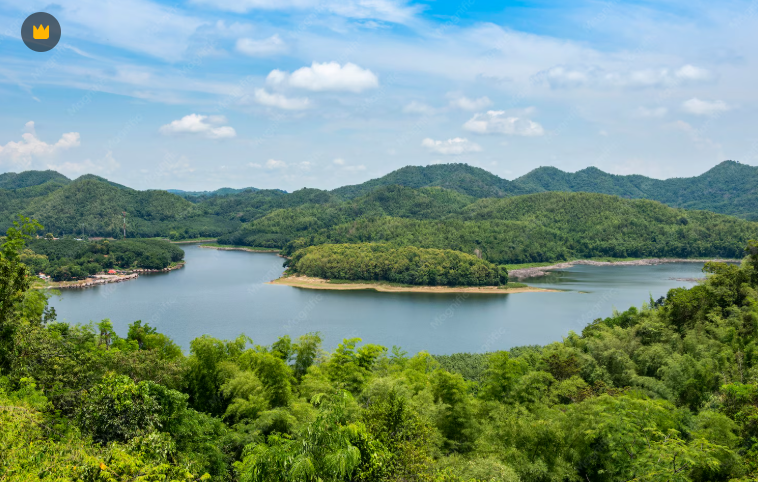
Nestled in the Maval region of Maharashtra, Pawna Lake has grown into one of the most popular weekend destinations for travelers looking to escape the city. Formed by the backwaters of the Pawna Dam, this expansive reservoir is framed by rugged hill ranges and open skies, making it a favorite spot for anyone mapping out a relaxed itinerary away from home.
Beyond the crowded viewpoints and standard tourist itineraries, experiencing this part of the Sahyadris is really about timing and knowing where to look. To help you skip the guesswork, this Pawna Lake travel guide pulls everything you need into one clear roadmap for your Pawna Lake trip planning. From accurate travel directions and seasonal weather shifts to rugged hilltop treks, hidden lake pockets, and comfortable stays for your nights under the stars.
Where Is Pawna Lake Located?
Pawna Lake rests in the Maval taluka of Pune district, deeply embedded within the northern stretches of the Sahyadri range in Maharashtra. Its geography places it at an exceptional crossroads for travelers navigating the western region:
Key Distances: The lake sits roughly 20 to 25 kilometers from the hill towns of Lonavala and Kamshet.
City Proximity: It is located within a comfortable driving radius from both Pune (55 to 60 km) and Mumbai (110 to 120 km), making it easily accessible via the Mumbai-Pune Expressway.
Surrounding Landscape: Formed in a wide river valley, the reservoir is cradled by rolling plateau edges and steep mountain ridges.
Local Settlements: Its immediate shores are dotted with quiet, agrarian hamlets like Thakursai, Pawnanagar, and Aaje, preserving a distinctly rural character away from dense urban sprawl.
Why Is Pawna Lake a Popular Weekend Destination?
Much of Pawna Lake's appeal lies in how effortlessly it trades urban noise for open water and wide skies. The landscape does much of the talking, with expansive horizon views, calm backwaters, and dramatic sunset reflections that naturally encourage you to slow down the pace of a weekend.
Instead of commercialized streets or packaged attractions, the focus here shifts toward simpler, quieter outdoor moments - starlit evenings by the shoreline, early morning mist over the hills, and the space to simply breathe. That unhurried rhythm makes it equally ideal for couples looking for a quiet retreat, families wanting a secure nature escape away from the city, or groups gathering to share a peaceful weekend together.
What sets the area apart from busier hill stations is its sense of untouched space. Rather than relying on commercial entertainment hubs, Pawna retains a grounded, open character where waterfront calm meets the quiet presence of the surrounding hills.
Best Time to Visit Pawna Lake
Deciding when to head out to Pawna depends entirely on the kind of experience you are looking for. Because the weather dictates everything from road conditions to how the landscape looks, understanding the distinct character of each season helps you align your schedule with what the Sahyadris have to offer.
Pawna Lake in Summer
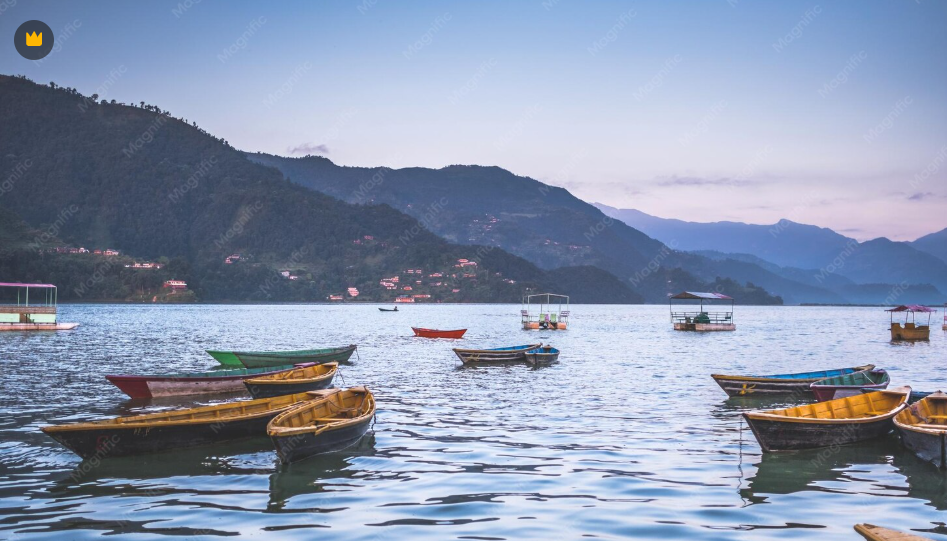
Summer brings clear skies and warm daytime temperatures to the water's edge, typically stretching from March through May. While afternoons can get quite intense under the sun, the mornings and late evenings carry a dry, open feel.
Outdoor Activities: Daytime sightseeing works best during the early hours or late afternoon. Exploring nearby hill trails or walking along the shoreline is pleasant before the sun peaks, while afternoons can be spent enjoying boating, kayaking, and various water sports on the lake. As the sun dips, evenings cool down comfortably for sitting by the water.
Stays and Travel: Private lakeside villas provide an ideal way to escape the afternoon heat entirely, featuring air-conditioned indoor spaces, private swimming pools, indoor games, and shaded lawns.
Pawna Lake During Monsoon
From June to September, the monsoon completely transforms the landscape. The surrounding hills turn a striking, vibrant green, and low hanging clouds often drift right across the backwaters, creating dramatic, misty views.
The Scenic Shift: This is the most visually striking time to visit, with seasonal waterfalls springing up along the highway and mountain ridges. However, heavy downpours can shift outdoor plans from open-air exploring to covered, rain-proof setups.
Road and Safety Considerations: Driving along the winding approach roads requires extra care, as slick surfaces and occasional mist demand slower speeds. It is always wise to monitor local rainfall updates before heading out, as heavy downpours can occasionally impact outdoor plans and lake activities.
Pawna Lake in Winter
Stretching from October to February, winter brings the most comfortable weather of the year. Daytime temperatures remain mild and cool, while nights drop significantly, creating crisp evening air under clear starlit skies.
Outdoor Activities: This season offers ideal conditions for extended sightseeing, hiking up the nearby fort trails, and spending long hours outdoors without the discomfort of heavy heat or rain.
Overnight Stays: Staying at a private lakeside property allows you to make the most of the crisp air with arranged bonfires and evening barbecues under the stars. This balance of pleasant days and cool nights makes winter the peak period for weekend getaways.
Which Is the Best Month to Visit Pawna Lake?
Comparing the seasons comes down to what matters most for your trip. If your priority is lush greenery, dramatic cloud cover, and misty mornings, the peak monsoon months of July and August offer unmatched visual appeal.
However, if your focus is comfortable camping, clear skies, and easy outdoor exploring, the months between November and February stand out as the best time to go. This winter window strikes the ideal balance, delivering pleasant daytime weather for sightseeing alongside crisp, cool nights that make sitting by the water feel effortless.
How to Reach Pawna Lake
Reaching Pawna Lake is easy by road, train, or air. Its location in the Maval region offers convenient connectivity from both Mumbai and Pune, making it a popular weekend getaway for travellers seeking a quick escape.
Here’s how to reach Pawna Lake using different travel options.
How to Reach Pawna Lake by Road
Driving is the most flexible and popular way to reach the lake, offering scenic views as you transition from the highway into the Sahyadri foothills.
From Pune: The drive covers roughly 55 to 60 kilometers and typically takes about 1.5 to 2 hours. You can take the Mumbai-Pune Expressway or NH 48 toward Kamshet, then turn inward via Pawnanagar toward the lake basin.
From Mumbai: The journey spans approximately 110 to 120 kilometers and takes about 3 to 4 hours. The standard route follows the Mumbai-Pune Expressway down to Lonavala or Kamshet, followed by winding district roads leading directly to the waterfront.
Vehicle Options: Self-drive cars, private taxis, and rented cabs are widely used. While the main highways are smooth and well-paved, the final approach roads closer to the lake feature narrower stretches and minor curves, making daytime driving preferable.
How to Reach Pawna Lake by Train
For travelers choosing public transport, the railway network provides reliable connectivity before completing the final leg by road.
Nearest Railway Stations: Kamshet (about 20 km away) and Lonavala (about 27 km away) are the closest railheads. Lonavala receives frequent express trains from both Mumbai and Pune, while local suburban trains run regularly to Kamshet.
Local Transfers: Outside both railway stations, local jeeps, auto-rickshaws, and private cabs are readily available to hire for the remaining journey to your lakeside destination via Pawnanagar.
How to Reach Pawna Lake by Air
If you are flying in from other cities, air transit requires a connecting road journey to reach the Maval region.
Nearest Airports: Pune International Airport (approx. 65–70 km away) is the closest practical option, followed by Chhatrapati Shivaji Maharaj International Airport in Mumbai (approx. 120 km away).
Onward Travel: From either airport, you can hire a direct outstation taxi or pre-booked rental car to drive straight to Pawna Lake, with total transit times depending heavily on initial city exit traffic.
Best Places to Visit Near Pawna Lake
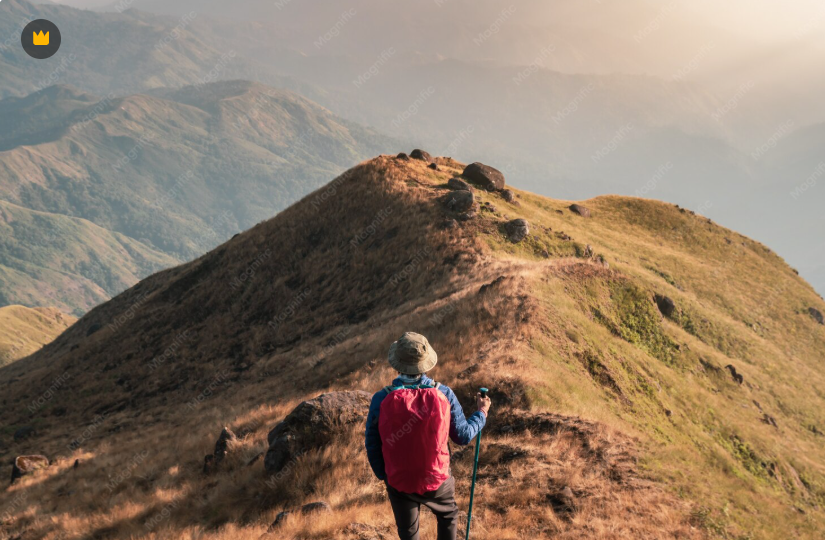
The Maval region around Pawna Lake is rich in Maratha history, rugged hills and scenic viewpoints. From ancient forts to quiet rural spots, there are plenty of Pawna Lake tourist places to explore beyond the waterfront.
Tikona Fort
Rising sharply in the southern part of Maval, Tikona Fort (locally known as Vitandgad) is one of the most prominent historical landmarks in the immediate vicinity. Perched at an elevation of about 3,500 feet, it served as a strategic vantage point and military outpost during the Maratha era.
The Trekking Experience: The climb features a moderately steep trail that includes rock-cut steps, a distinctive tunnel carved into the stone, and large fortification walls at the summit. It typically takes about 1.5 to 2 hours to reach the top, where panoramic views open up across the entire water basin.
Practical Considerations: Situated roughly 8 to 10 kilometers from the lake, the base village is easily reached by a short drive. Early morning climbs are recommended during warmer months to avoid midday heat, while the monsoon requires sturdy footwear due to slippery rock surfaces.
Tung Fort
Also known as Kathingad, Tung Fort sits on a steep, conical hill on the opposite side of the backwaters. Dating back to before 1600, its isolated position made it an effective watchtower for monitoring surrounding valley routes.
The Trekking Experience: The trail is shorter but consistently steep, offering an adventurous climb that rewards hikers with striking, unobstructed perspectives of the lake below and neighboring peaks like Tikona and Lohagad.
Practical Considerations: Located roughly 20 to 25 kilometers along the winding peripheral roads from the main lake area, the base requires a short, focused trek with minimal commercial facilities along the path, making it ideal to carry water in advance.
Lohagad Fort
Lohagad is among the region's most famous and structurally intact hill fortresses. Historically associated with several ruling dynasties, including the Marathas and Mughals, it boasts massive stone gateways and long defensive walls.
The Trekking and Sightseeing Experience: The trek is relatively gradual and beginner-friendly, making it accessible for casual walkers and history enthusiasts alike. A key highlight is the "Vinchu Kata" - a long, narrow fortified ridge that extends outward from the main fort, offering dramatic drop-offs and sweeping valley views.
Practical Considerations: Situated about 15 kilometers from Pawna Lake near Malavli, the base can be reached smoothly by vehicle, followed by a well-trodden walking path to the top.
Visapur Fort
Standing right next to Lohagad at an even higher elevation of 1,084 meters, Visapur Fort is larger and wilder in character. While Lohagad is known for its formal architecture, Visapur features sprawling ruins, ancient stone houses, and water cisterns scattered among thick forest growth.
Seasonal Considerations: During the monsoon, sections of the trekking path effectively turn into cascading streams of water, creating an immersive, misty environment. In winter, the wide plateau at the summit offers peaceful spaces to walk and explore old relics.
Practical Considerations: Located about 17 kilometers from the lake, visitors frequently combine Visapur and Lohagad into a single day trip due to their proximity.
How Many Days Are Enough for a Pawna Lake Trip?
Planning the right duration for a stay in Pawna depends on whether you want a quick break or a longer escape from the city. With manageable travel times from Mumbai and Pune, even a short visit can feel worthwhile, while longer stays give you more time for exploring the surrounding hills.
One-Day Pawna Lake Trip
A single day works well for travelers seeking a quick daytime reset without the need for an overnight pack. A day trip lets you drive down for a morning walk along the shoreline, enjoy boating or water sports, and share a long meal at a lakeside restaurant or private property before heading back.
Alternatively, you can spend the morning trekking up a nearby hill like Tikona and unwind by the water in the afternoon. Because travel takes about 1.5 to 2 hours from Pune and 3 to 4 hours from Mumbai each way, maximizing daylight hours requires an early morning departure to avoid missing the best of the lake views before sunset.
Two-Day Pawna Lake Trip
A weekend itinerary spanning two days is the most popular choice, offering a balanced rhythm of outdoor exploration and quiet downtime. Day one can be reserved for arriving around midday, settling into a private lakeside villa, and enjoying an unhurried evening with a barbecue under the stars, while day two opens up the possibility of an early morning trek to Lohagad or Visapur before checking out. Booking a private stay for the night allows you to experience the crisp evening air, quiet night skies, and a morning by the pool without feeling rushed by a tight schedule.
Three-Day Pawna Lake Trip
Extending your stay to three days creates a truly unhurried pace, removing any sense of transition fatigue and letting you explore the wider Maval landscape deeply. With three days, you can split your time across multiple adventures - dedicating one full day to exploring historical hill forts like Tikona and Tung, another to paragliding near Kamshet or visiting local cultural landmarks, and ample downtime simply relaxing by the water. A longer itinerary is particularly well suited for travelers working remotely for part of the week or families looking to settle into a comfortable, fully serviced private villa for a slower, immersive weekend getaway near Mumbai and Pune.
Pawna Lake Travel Tips for a Comfortable Trip
Pawna is easy to enjoy when you have the basics sorted. Here are a few Pawna Lake travel tips to keep in mind before you head out.
What to Pack for Pawna Lake
Season-Appropriate Clothing: Pack light, breathable fabrics for warm summer days, or soft layers for breezy afternoons.
Comfortable Footwear: Bring sturdy walking shoes or comfortable sneakers for exploring nearby nature trails and villa lawns.
Rain Gear: Essential if you are visiting during the monsoon months to keep dry during transit and outdoor lounging.
Evening Layers: Carry light sweaters or jackets, as temperatures near the water drop comfortably after sunset.
Personal Essentials: Bring your daily medications, skincare items, and any specific recreational requirements for your group.
Local Transport and Getting Around
Transportation Options: The region is most easily accessed by private cars or pre-booked cabs from Mumbai and Pune, giving you the flexibility to travel directly to your destination.
Accommodation Accessibility: Always check the specific approach route of your chosen property beforehand. While main roads are well-paved, the final stretch leading directly to lakeside estates can feature narrower village lanes.
Navigation Considerations: Plan your drive to arrive during daylight hours so you can easily navigate winding country roads, enjoy the scenic landscape along the way, and settle into your private retreat without rush.
Budget Planning for Pawna Lake
Transportation Expenses: Factor in fuel costs or private cab rentals from Mumbai or Pune, along with any local toll charges.
Accommodation Costs: Private villa tariffs vary based on the season (with winter being peak demand), group size, and the tier of amenities provided.
Food and Dining: While private villas often include bespoke chef-prepared meals or equipped kitchens, budget separately for any special dining requests or local culinary stops.
Activity and Entry Fees: Account for minor incidental expenses such as entry fees for historic forts (like Lohagad or Tikona) or tickets for water sports and boating clubs.
Seasonal Variations: Overall expenses shift depending on whether you travel during peak winter weekends, the vibrant monsoon season, or quieter mid-week periods.
Important Safety and Travel Considerations
Weather and Road Conditions: Keep an eye on local forecasts and drive cautiously on rural approach roads, especially during heavy monsoon downpours or late-night arrivals.
Water and Terrain Safety: Exercise care around the open backwaters and rocky elevated viewpoints, keeping children supervised near pool edges and viewing decks.
Environmental Guidelines: Respect the natural landscape by minimizing plastic waste, staying on designated paths during walks, and preserving the quiet environment of the surrounding community.
Property Guidelines: Adhere to the house rules and privacy policies set by your managed accommodation provider to ensure a seamless and respectful stay for everyone.
Where to Stay Near Pawna Lake
A Pawna Lake villa stay can be a great option for a relaxed staycation, offering a fully serviced private pool property designed to match your travel preferences. Selecting a private villa provides complete seclusion, climate-controlled comfort, luxury bedding, private swimming pools, and dedicated indoor entertainment areas, making it an ideal choice for families, couples, and corporate groups who value security, private dining spaces, modern amenities, and uncompromised personal space.
Narrowing down your accommodation involves balancing a few factors before you book.
Location and Accessibility: Check how close the property is to the main approach roads and confirm the final stretch is easy to navigate by car.
Group Size and Amenities: Evaluate the bedroom count, bathroom capacity, and features like private pools, lawns, or indoor games to ensure they align with your guests.
Budget and Proximity: Balance your overall budget with the property's closeness to local historical trails, viewpoints, and water sports hubs.
Experience Jalanta Stays Near Pawna Lake
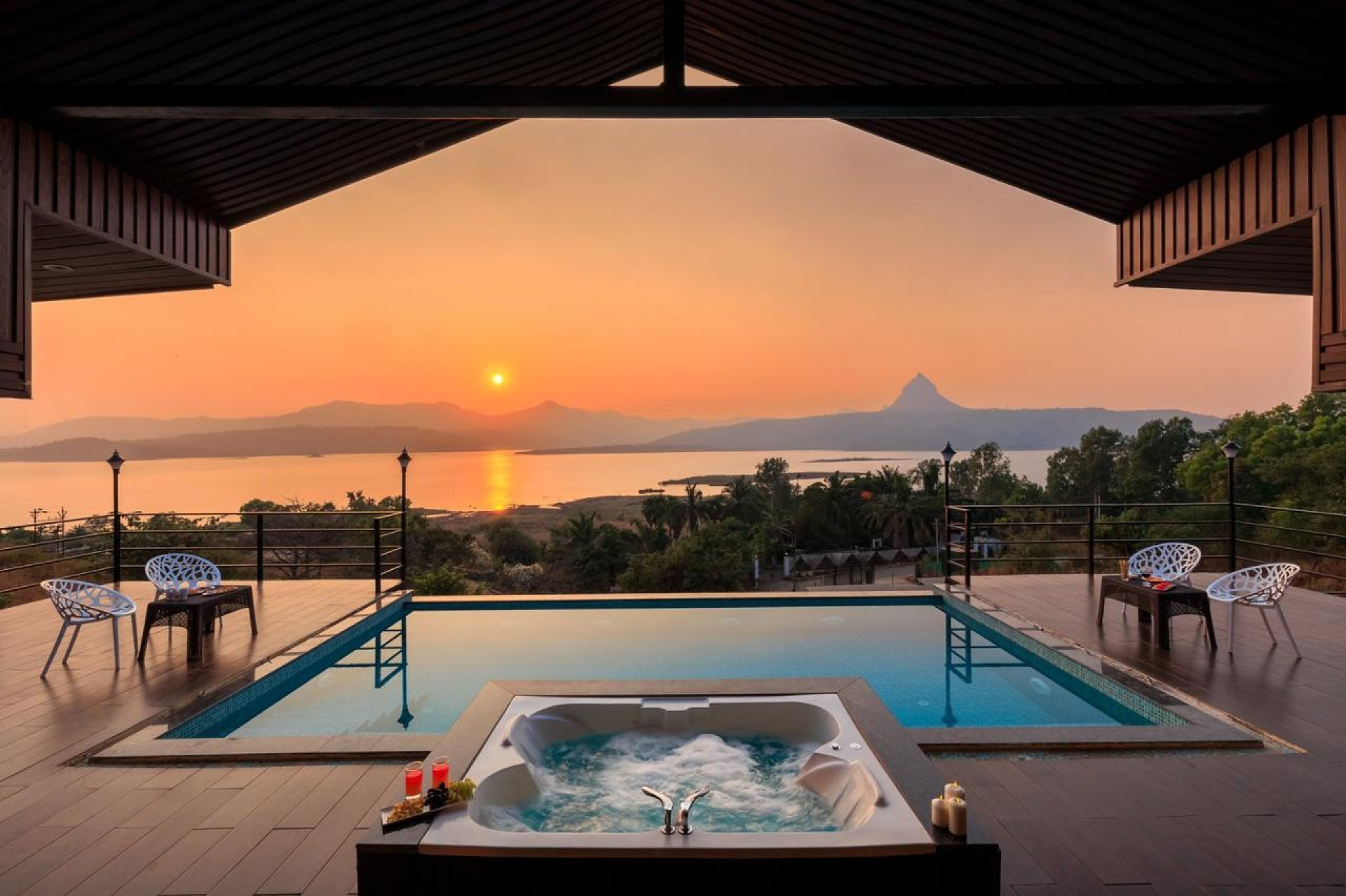
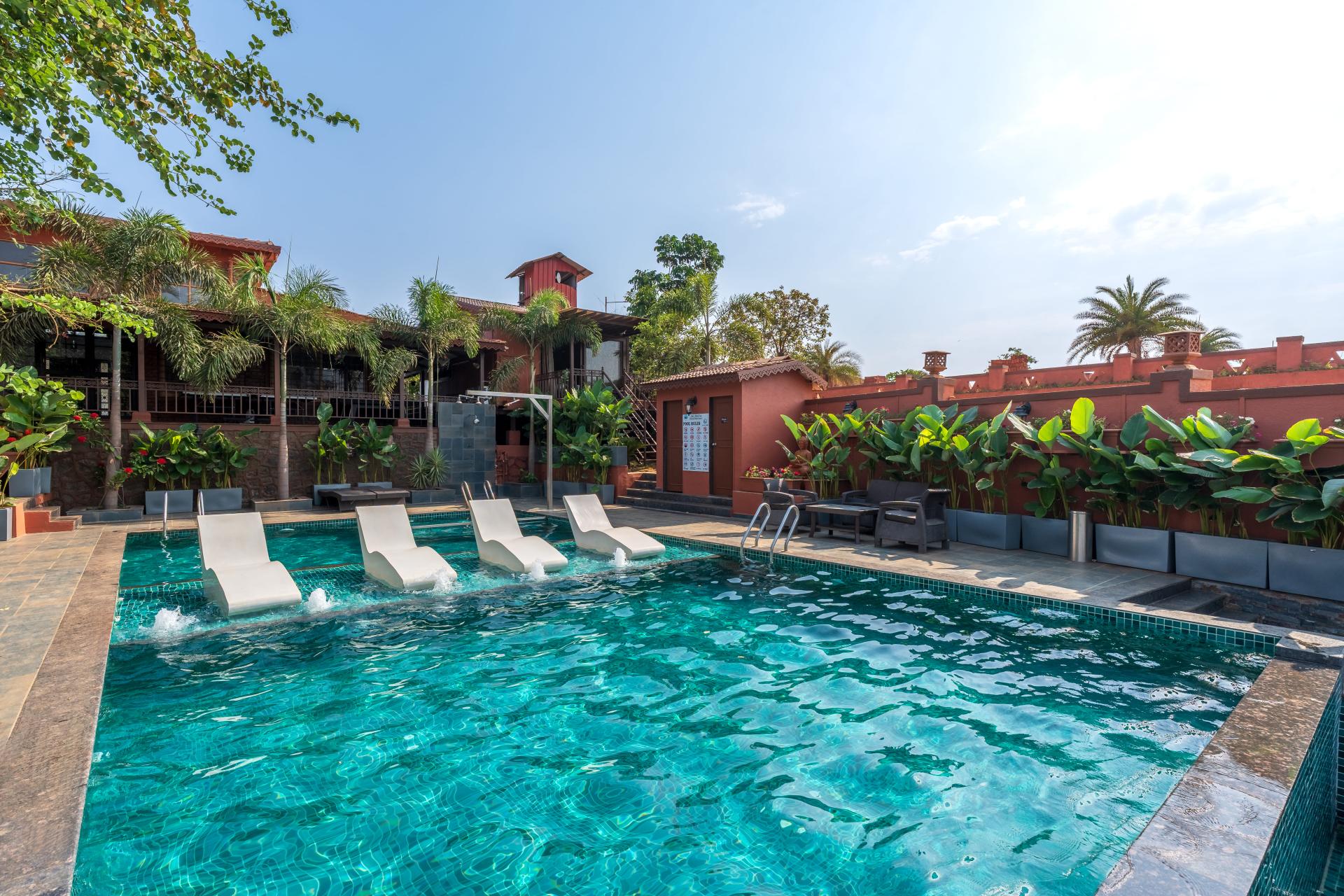
Enjoying the natural surroundings at your own comfort and pace comes effortlessly when staying in a dedicated private retreat. Jalanta Stays offer professionally managed luxury villas nestled directly within the Pawna landscape, featuring refreshing plunge pools, open-air lounge spaces, and wide terraces framing quiet backwater vistas. From the glass-fronted Atlantis Villa to larger estates suited for family gatherings, each property balances attentive hospitality with absolute personal seclusion.
You can explore specific availability and plan your stay directly through the Jalanta Stays Official Website.
Conclusion
Planning a trip to Pawna Lake is really about finding the right mix of exploring and slowing down. From choosing the best time to visit Pawna Lake to planning your route, activities and stay, a little preparation can help you enjoy the area without trying to fit everything into one day.
With this guide, you have everything you need for your Pawna Lake trip planning, including places to visit near Pawna Lake, things to do at Pawna Lake, travel tips and stay options. And when you choose a private villa with Jalanta Stays, you get a comfortable space to come back to after a day out, with time to sit by the pool, share a meal or simply enjoy the company you came with.
Plan your Pawna Lake itinerary around what you enjoy, leave some room for unplanned moments, and let the trip unfold at a pace that feels right.
FAQs
1. What is Pawna Lake famous for?
Pawna Lake is known for its scenic backwaters, surrounding Sahyadri hills, nearby forts and peaceful landscape. It is also a popular spot for camping, villa stays and weekend trips from Pune and Mumbai.
2. Is Pawna Lake good for a weekend trip?
Yes. Its location between Mumbai and Pune makes it well suited to a short weekend break, with options for sightseeing, outdoor activities, camping and private villa stays.
3. Can you go boating at Pawna Lake?
Boating is available at Pawna Lake through local operators, although availability can vary depending on weather, season and local conditions.
4. Are there restaurants near Pawna Lake?
There are local eateries and food options around the Pawna region, while many private villas also offer meal services or cooking facilities for guests.
5. What are the best viewpoints around Pawna Lake?
The surrounding forts and hilltops, including Tikona and Tung, offer some of the notable elevated views of the Pawna backwaters and surrounding Sahyadri landscape.